
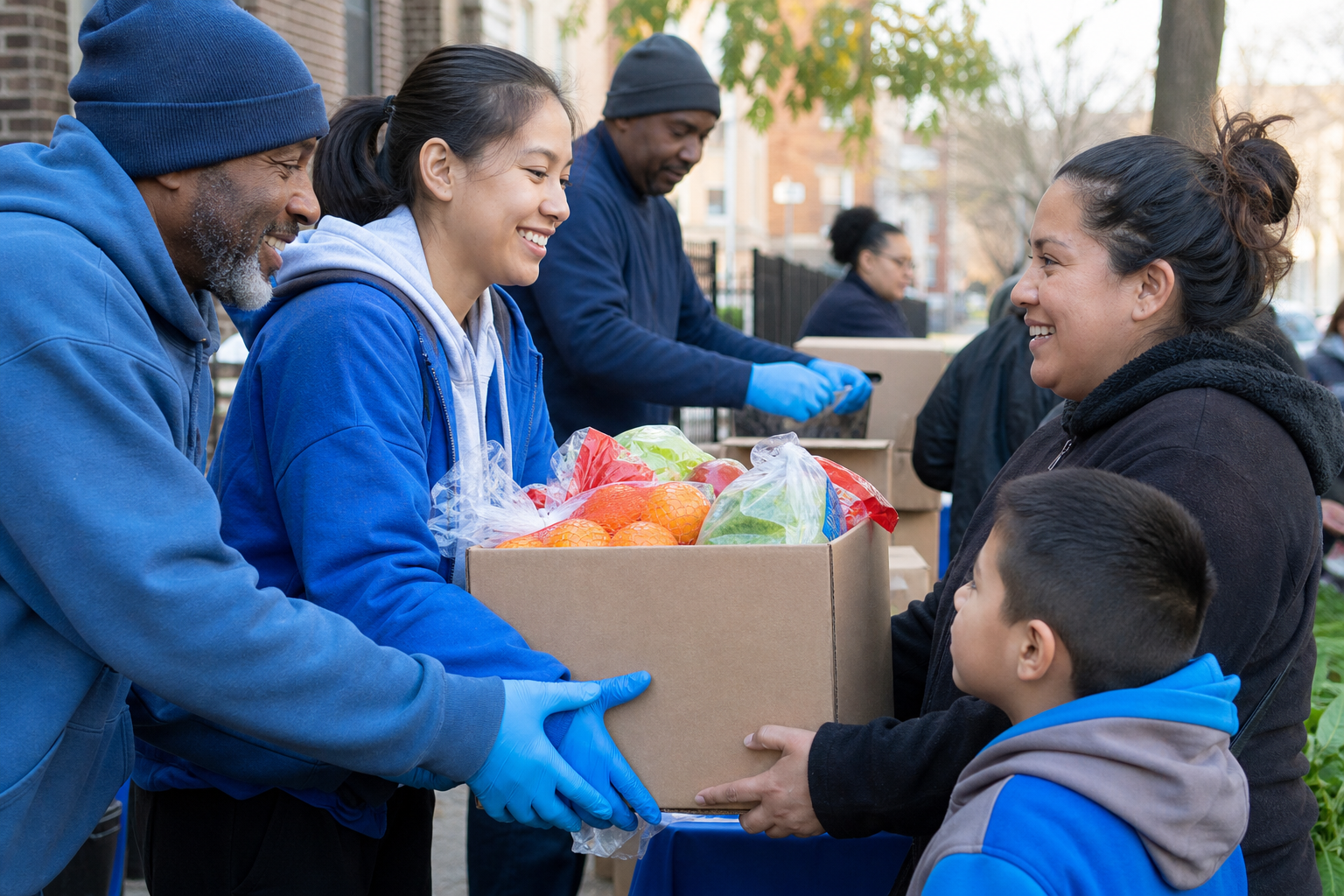
A good essentials drive begins with a list, not a shopping cart. The most helpful donations are the ones that match a current, specific need. Before collecting anything, speak with the organization or neighborhood group that will distribute the items and ask what is useful now.
1. Start with a short, specific list
Choose five to ten high-priority items. Pantry staples, diapers, soap, toothpaste, menstrual products, laundry detergent, and new socks are often requested, but local needs vary. Publish sizes, quantities, and whether opened packages can be accepted.
2. Make giving easy
Set one clear collection window and one accessible drop-off point. A two-week drive usually creates enough urgency without exhausting volunteers. Give supporters a printable list and a mobile-friendly version they can check in a store.
3. Protect dignity
Collect new, usable products rather than treating a drive as household cleanout. Avoid photographing recipients without informed permission. Sort items privately and present them as choices wherever possible.
4. Plan the last mile
Boxes do not move themselves. Confirm who will sort, transport, and distribute items before the drive begins. Keep each box light enough for one person to carry and label it clearly.
5. Close the loop
Thank participants and report only what you can count accurately: for example, the number of boxes delivered or the categories collected. Do not turn those totals into claims about people served unless the distributing organization has a reliable method for doing so.
Put this idea to work in Chicago
Charity for All is building practical ways for neighbors to give time, goods, and support. Explore current opportunities or contact us with a thoughtful idea.